The marketing landscape is changing at record speed. Are you prepared to adapt and thrive in 2026?
In this essential guide, you will find the strategies, expert resources, and digital tools needed to secure your business’s success. As competition rises, the right marketing help can drive measurable growth and stronger brand recognition.
You will learn how to navigate new trends, overcome common challenges, and build a future-proof marketing strategy. Ready to take action? Explore proven steps and resources that empower business owners and marketers to achieve real results in the years ahead.
Understanding the 2026 Marketing Landscape
Navigating the future of business requires a clear grasp of the evolving marketing landscape. To make the most of marketing help in 2026, you need to understand the trends, challenges, and opportunities shaping the industry.
Key Trends Shaping Marketing in 2026
The marketing world is being transformed by a wave of innovation and shifting consumer expectations. Artificial intelligence and automation are at the forefront, empowering marketers to optimize campaigns and extract deeper customer insights with greater efficiency.
Digital channels remain dominant, but new platforms continue to emerge, keeping brands on their toes. Hyper-personalization has become the standard, as customers now expect tailored experiences at every touchpoint. Data privacy and ethical marketing have moved to the center of strategy, prompting businesses to reexamine how they gather and use information.
Influencer and community-based marketing are growing, with brands leveraging trusted voices and loyal groups to boost engagement. Offline and online strategies are blending, creating seamless omnichannel experiences. According to the 2026 Future Trends in Marketing Report, investments in digital marketing help are forecast to rise even higher, building on the 70% of small businesses that increased their budgets in 2023.
Challenges Businesses Will Face
As the digital space becomes more crowded, businesses will find it harder to stand out. Saturation across major channels means increased competition and higher costs for attention. Navigating complex privacy regulations, such as GDPR and evolving CCPA updates, adds another layer of difficulty for those seeking marketing help.
Technological change is rapid, requiring constant adaptation to new tools and shifting consumer behaviors. Resource limitations, especially for small and medium-sized businesses, can hinder efforts to keep up. Another major challenge lies in measuring return on investment across fragmented touchpoints, making it tough to connect campaigns with outcomes.
A recent survey found that 55% of SMBs in 2024 struggled with marketing attribution, highlighting the growing need for expert marketing help to bridge these gaps.
Opportunities for Growth
Despite these hurdles, 2026 offers abundant opportunities for those who leverage marketing help effectively. New technologies can streamline processes, saving time and money. Personalized communication fosters deeper customer relationships, driving loyalty and repeat business.
Targeted campaigns enable brands to reach niche audiences that were previously out of reach. Data analytics tools transform raw information into actionable insights, guiding smarter decisions. Collaborating with experts can close knowledge and skill gaps, ensuring strategies remain cutting-edge.
For instance, businesses using integrated marketing help services achieved a 30% higher lead conversion rate in 2025, proving the value of adopting modern support solutions.
Types of Marketing Help Available in 2026
The world of marketing help in 2026 offers a diverse range of solutions for businesses at every stage. Understanding each type ensures you can select the right support for your unique needs and objectives.
In-House Marketing Teams
Building an in-house team remains a preferred choice for many organizations seeking direct control over their marketing help. These teams often include strategists, content creators, designers, and data analysts.
Advantages:
- Complete alignment with company culture and vision
- Faster communication and campaign turnaround
- Quick adaptation to internal priorities
Challenges:
- High overhead costs for salaries and training
- Difficulty finding and retaining top talent
This approach to marketing help is ideal for larger businesses or those with continuous campaign needs. Companies with robust in-house teams report faster execution and better internal collaboration.
Outsourced Marketing Agencies
Many businesses turn to agencies for specialized marketing help across SEO, PPC, content, branding, and analytics. Agencies bring a breadth of expertise and the ability to scale services up or down as needed.
Benefits:
- Access to a diverse skill set and industry best practices
- Cost-effective compared to building large teams
- Flexibility to address short-term or long-term goals
Drawbacks:
- Potential gaps in brand immersion
- Possible communication barriers
In 2025, 60% of SMEs outsourced at least one marketing function. For a deeper understanding of what agencies offer, explore this Marketing strategy services overview to see how firms can tailor solutions to your needs.
Freelancers and Consultants
Freelancers and consultants provide flexible marketing help for specific projects or specialized areas such as design, copywriting, or digital strategy.
Strengths:
- Lower costs for startups or smaller projects
- Access to niche expertise on demand
- Ability to scale resources quickly
Risks:
- Inconsistent quality or style
- Lack of long-term commitment
For example, many businesses use freelance graphic designers to refresh their branding. This adaptable form of marketing help is ideal for companies with fluctuating needs or limited budgets.
Marketing Technology Platforms
Technology now plays a central role in delivering marketing help. Platforms offer automation for email, social media, and ad management, as well as analytics dashboards and AI-driven personalization.
Key Features:
- Streamlined campaign management
- Real-time performance tracking
- Advanced customer segmentation
Adoption is widespread, with 80% of businesses using at least one martech tool in 2025. These platforms empower teams to optimize marketing help, drive efficiency, and improve decision-making.
Community and Peer Support Networks
Peer networks provide valuable marketing help through knowledge sharing, collaboration, and support. These include online forums, mastermind groups, and industry associations.
Benefits:
- Access to collective experience and resources
- Networking and partnership opportunities
- Collaborative problem-solving
Many small business owners leverage these networks to brainstorm campaign ideas and share best practices. Community-driven marketing help offers a cost-effective way to stay informed and connected.
Building a Future-Proof Marketing Strategy
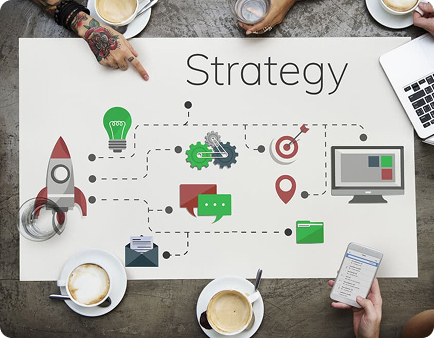
Developing a future-proof marketing strategy is essential for businesses aiming to thrive in 2026. The right approach ensures your brand remains competitive and adaptable as trends, technologies, and consumer behaviors evolve. By following a structured process, you can maximize the impact of your marketing help and drive measurable growth.
Setting Clear Marketing Goals for 2026
Success in 2026 starts with setting clear and actionable marketing goals. Use the SMART framework: goals should be Specific, Measurable, Achievable, Relevant, and Time-bound. Align these objectives with your broader business vision to ensure every marketing initiative supports growth.
For example, if your aim is to boost qualified leads by 25 percent through digital channels, you can track progress with defined metrics. This clarity allows your marketing help to focus efforts where they matter most. Regularly review and refine goals to stay aligned with shifting market dynamics.
Identifying Your Target Audience and Buyer Personas
Effective marketing help begins with a deep understanding of your audience. Leverage analytics and customer data to segment your market and create detailed buyer personas. These personas should capture demographics, preferences, pain points, and decision-making triggers.
Use customer relationship management tools to identify high-value segments and tailor messaging for each group. Personalization boosts engagement and conversion rates. With well-defined personas, your marketing help can deliver campaigns that speak directly to the needs of your ideal customers.
Integrating Digital and Traditional Marketing
A future-proof strategy blends digital and traditional marketing for maximum reach. Combine online activities, such as social media and email, with offline tactics like print and direct mail. This omnichannel approach ensures consistent messaging and seamless customer experiences.
For instance, pairing digital ads with local print campaigns can drive both online engagement and foot traffic. Your marketing help should coordinate across platforms to create a unified brand presence. Integrating channels builds stronger relationships and amplifies campaign results.
Content Creation and Storytelling
Compelling content is at the heart of every successful marketing strategy. Focus on authenticity and consistency across formats, from blogs and videos to print materials. Storytelling brings your brand to life, connecting with audiences on an emotional level.
Businesses that maintain active blogs and engaging content generate significantly more leads each month. Investing in professional content creation and branding solutions ensures your marketing help delivers impactful messaging. Consistent storytelling reinforces your brand identity and builds lasting customer loyalty.
Leveraging Data and Analytics
Data-driven decision-making is crucial for optimizing your marketing help. Track key performance indicators such as website traffic, conversions, engagement, and ROI. Use analytics tools to monitor campaigns in real time and quickly identify what is working.
Advanced analytics can reveal actionable insights, enabling more precise targeting and message refinement. Companies that leverage these tools often see substantial improvements in campaign ROI. Encourage your marketing help to embrace a culture of measurement and continuous improvement.
Staying Agile and Adapting to Change
The marketing landscape is constantly evolving, so agility is vital. Stay informed about trends, competitor activities, and emerging technologies. Equip your team with tools for monitoring the market and encourage ongoing learning.
Businesses that adapt quickly to changes outperform the competition. Foster a mindset of experimentation within your marketing help, testing new approaches and pivoting when needed. Flexibility and openness to change are key to building a strategy that lasts.
Choosing the Right Marketing Help for Your Business
Selecting the right marketing help is a pivotal step for business growth in 2026. With so many options available, making an informed choice ensures your marketing efforts deliver measurable results. Let us break down the process into clear steps to guide your decision.

Assessing Your Current Capabilities and Needs
Begin by conducting a thorough audit of your current marketing efforts. Identify strengths, weaknesses, and existing resources within your team. Are there skill gaps in areas like SEO, content creation, or analytics? Understanding these gaps will clarify what type of marketing help you truly need.
List your marketing objectives and evaluate if your internal team can meet them or if external support is required. For example, a lack of in-house SEO expertise might signal the need for specialized marketing help. This honest assessment sets the foundation for building a strategy that aligns with your business goals.
Evaluating Agencies, Consultants, and Tools
Once you know your needs, compare the different types of marketing help available. Agencies often bring a broad range of services and industry experience, while consultants and freelancers offer flexibility and niche expertise. Review portfolios, case studies, and client testimonials to gauge their track record.
Create a shortlist based on service fit, communication style, and proven results in your industry. Request proposals and ask about reporting, workflow, and expected outcomes. By focusing on these criteria, you can ensure the marketing help you choose is both effective and aligned with your goals.
| Option | Pros | Cons |
|---|---|---|
| Agency | Full-service, scalable | May lack brand immersion |
| Consultant | Niche expertise | Limited bandwidth |
| In-house | Brand alignment | Higher overhead |
Budgeting and ROI Considerations
Budgeting for marketing help requires balancing cost with quality. Estimate expenses for agencies, freelancers, or tools, and compare them to your desired outcomes. Set clear ROI benchmarks to measure success, such as lead generation or sales growth.
For cost-effective solutions, consider outsourcing specific tasks like social media management. If you are curious about optimizing this aspect, explore Social media management tips to maximize value from your investment. Regularly review performance to ensure your marketing help delivers a strong return.
Building Long-Term Partnerships
Think beyond short-term projects when choosing marketing help. Long-term partnerships foster deeper understanding of your brand and more consistent results. Look for partners whose values and vision align with yours.
Establish open communication channels and set clear expectations from the start. Businesses with ongoing agency relationships often experience more reliable brand growth and smoother campaign execution. Prioritizing partnership over transaction ensures your marketing help remains a strategic asset as your business evolves.
Step-by-Step Process: Getting Marketing Help in 2026
Securing the right marketing help in 2026 requires a structured, strategic approach. Follow these seven steps to ensure your business accesses expertise and resources that drive real results. Each phase is designed to maximize your return on investment and set your brand up for sustainable growth.
Step 1: Define Your Marketing Objectives
Start by clarifying what you want to achieve with marketing help. Are you seeking greater brand awareness, more qualified leads, or higher sales? Involve stakeholders from sales, product, and customer service to align goals across departments.
Set SMART objectives—Specific, Measurable, Achievable, Relevant, and Time-bound. For example, you might aim to increase online leads by 25 percent in the next year. Clear, shared goals ensure every aspect of your marketing help is focused and measurable.
Step 2: Audit Your Current Marketing Efforts
Review your existing marketing channels, campaigns, and outcomes. Identify which tactics have performed well and where gaps exist. Analyze data from website analytics, social media, and customer feedback to highlight strengths and weaknesses.
A comprehensive audit reveals whether you need marketing help to fill skill gaps, boost underperforming channels, or support campaign execution. For instance, if email marketing lags behind industry benchmarks, this could be a priority area for improvement.
Step 3: Research and Shortlist Marketing Help Options
Explore the full spectrum of marketing help available in 2026, from agencies and freelancers to marketing technology platforms and peer networks. Use online directories, client reviews, and industry recommendations to build your shortlist.
Compare each option’s expertise, service offerings, and pricing models. Consider how well they understand your sector and whether their approach aligns with your objectives. Creating a shortlist ensures you only engage with partners who can truly support your marketing goals.
Step 4: Conduct Interviews and Request Proposals
Invite your shortlisted marketing help providers to interviews or discovery calls. Prepare questions about their processes, reporting methods, communication frequency, and previous results. Ask for case studies that demonstrate success in your industry.
Evaluate their proposals for clarity, creativity, and alignment with your needs. Look for transparency around timelines, deliverables, and metrics. This step helps you assess both technical expertise and cultural fit before making a commitment.
Step 5: Make Your Selection and Set Expectations
Choose the marketing help best suited to your business, balancing expertise, cost, and communication style. Establish clear roles and responsibilities from the outset.
Set timelines for deliverables, schedule regular check-ins, and agree on reporting formats. For example, you might set up bi-weekly strategy calls to ensure accountability. Defining expectations early prevents misunderstandings and fosters a productive working relationship.
Step 6: Launch, Monitor, and Optimize
Roll out your marketing campaigns with your new partner or tool. Use analytics dashboards to track key performance indicators like traffic, conversions, and engagement. Monitor results closely and adjust tactics in real time for optimal impact.
Stay informed about evolving digital trends, such as the integration of AI for smarter targeting and automation. The 2026 Digital Advertising Trends Report offers valuable insights into how AI is reshaping campaign optimization, which can enhance your marketing help strategy.
Step 7: Review and Scale
After your campaigns have run for a set period, review results against your original objectives. Analyze what worked, what needs improvement, and where you exceeded expectations.
Identify opportunities to scale successful tactics to new products, markets, or channels. Continuous review and scaling ensure your investment in marketing help delivers compounding returns and keeps your business ahead in a competitive landscape.
Leveraging Local and Specialized Marketing Support
Local and specialized marketing help unlocks a competitive advantage for businesses aiming to stand out in 2026. By tapping into regional expertise and industry-specific support, companies can create campaigns that truly resonate with their target audiences. Let us explore how localized and niche marketing help can drive measurable results for your business.
The Power of Local Marketing Services
Partnering with local agencies and vendors provides unique value that national firms often cannot offer. Local experts understand neighborhood trends, community events, and consumer preferences, making your campaigns more relevant and effective. Calgary businesses, for instance, have leveraged local agencies to boost community engagement and brand loyalty.
One essential step is optimizing your Google Business Profile to increase local search visibility and attract more foot traffic. Local agencies often provide hands-on marketing help with these optimizations, ensuring your business stands out in search results and map listings. This personalized approach to marketing help leads to stronger relationships with your surrounding community.
Specialized Marketing Solutions for Niche Industries
Certain industries require tailored marketing help to address their unique challenges and opportunities. Whether you operate in healthcare, retail, or emerging tech, specialized partners bring deep industry knowledge and proven strategies to the table. Selecting the right marketing help involves reviewing portfolios and seeking out providers with a track record in your specific sector.
For example, food truck businesses often rely on specialized marketing help to promote appearances at local events and festivals. By working with partners who understand the nuances of their niche, these businesses can maximize exposure and drive targeted customer engagement. The right marketing help ensures your brand message aligns with industry standards and audience expectations.
Integrating Print and Digital for Maximum Impact
Combining print materials with digital campaigns creates a cohesive omnichannel experience that reinforces your brand. Banners, flyers, and direct mail remain powerful tools when integrated with online advertising and social media outreach. The UPS Store’s print solutions, for example, support digital efforts by providing high-quality materials that catch attention and drive action.
Effective marketing help in 2026 means leveraging both traditional and modern channels for broader reach. Local agencies excel at blending these approaches, ensuring that each customer touchpoint feels consistent and engaging. Integrating print and digital with strategic marketing help delivers measurable results across all platforms.
Building Community Partnerships and Networks
Community-focused marketing help extends beyond professional agencies. Collaborating with local organizations, business chambers, and peer networks opens doors to new audiences and resources. Small business owners frequently share marketing help, resources, and referrals within their networks, fostering a spirit of collaboration and mutual growth.
Participating in local events, sponsoring community initiatives, or joining mastermind groups strengthens your brand’s presence and trust. This type of marketing help not only drives direct business results but also builds lasting relationships with customers and fellow entrepreneurs. Embracing community partnerships is key to long-term marketing success.
Future-Proofing Your Marketing Help: Trends to Watch
Staying competitive in 2026 means anticipating the shifts that will shape how businesses access and use marketing help. Forward-thinking companies are already preparing for tomorrow’s challenges by embracing trends that promise greater efficiency, trust, and growth. Here’s what you need to know to keep your strategy ahead of the curve.
AI and Automation in Marketing Support
Artificial intelligence is revolutionizing the way organizations approach marketing help. In 2026, expect to see AI-powered tools handling campaign management, audience segmentation, and real-time personalization at scale. Automation will streamline repetitive tasks, freeing up human teams to focus on strategy and creativity.
For example, chatbots are delivering instant customer support, while machine learning algorithms optimize ad spend and personalize content. According to Kantar’s 2026 Marketing Trends, integrating advanced technology is essential for businesses aiming to stay agile and responsive. Investing in AI-driven marketing help ensures you maximize efficiency and adapt quickly to market changes.
Data Privacy and Ethical Marketing
As technology advances, so do concerns around data privacy. Businesses relying on marketing help must prioritize ethical practices to build trust with their audiences. By 2026, evolving regulations like GDPR and CCPA will require marketers to be even more transparent about data collection and usage.
Best practices include clear consent forms, robust security measures, and regular audits of data handling processes. Ethical marketing help not only protects your brand but also strengthens customer relationships. Companies that demonstrate respect for privacy will be better positioned to retain loyal clients and attract new ones in a privacy-conscious market.
The Rise of Micro-Influencers and Community Advocacy
The landscape of marketing help is shifting toward authentic voices and niche audiences. Micro-influencers, with their engaged followers and relatable content, offer brands a powerful way to build trust and grow organically. Community advocacy, where loyal customers share experiences and recommendations, amplifies this effect.
Recent findings, like those in the IAB 2025 Creator Economy Ad Spend Report, highlight a surge in ad spend directed at creators and influencers. By partnering with micro-influencers as part of your marketing help strategy, you can reach targeted demographics, foster credibility, and drive measurable results.
Continuous Learning and Upskilling
The pace of change in marketing help demands a commitment to ongoing education. Marketing teams and partners must regularly update their skills to leverage new platforms, tools, and best practices. Online courses, certifications, and industry events are essential resources for staying current.
Encourage your team to embrace continuous learning and adapt to emerging trends. Companies that invest in training see greater innovation and improved outcomes from marketing help. Building a culture of growth ensures your business remains competitive, regardless of how the marketing landscape evolves.
As you look ahead to 2026, it’s clear that marketing success will depend on your ability to stay agile, leverage expert support, and use the right mix of strategies for your business. Whether you need help refining your goals, navigating new technologies, or standing out in a crowded market, partnering with a team that truly understands local dynamics can make all the difference. If you’re ready to take the next step and build a marketing plan that delivers real results, let’s connect and explore how we can help you reach your goals. Get Started