The advertising agency landscape in 2026 is more competitive than ever, with agencies vying for attention in a rapidly evolving digital world. Standing out is no longer just about creative campaigns, but about building a memorable and trustworthy identity.
Strong advertising agency branding is now essential for differentiation and long-term success. Agencies that invest in expert insights and actionable strategies are more likely to capture client interest, foster loyalty, and drive growth.
This comprehensive guide offers a step-by-step approach to creating a powerful agency brand. You will discover branding fundamentals, strategy development, visual identity, digital presence, client experience, and methods for future-proofing your brand.
Understanding the Foundations of Advertising Agency Branding
Defining Agency Branding in 2026
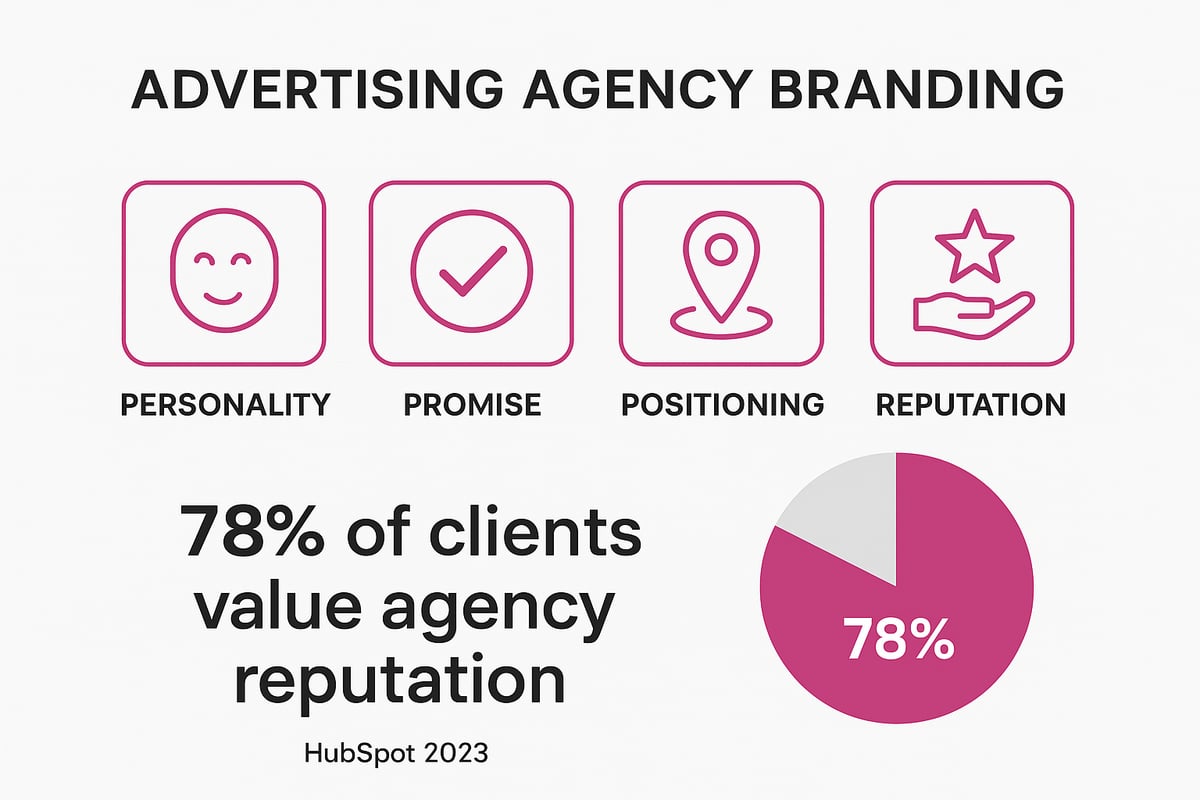
Advertising agency branding in 2026 extends far beyond creating a logo or choosing a color palette. It encapsulates the agency's personality, the promise it delivers to clients, and its unique positioning in a crowded marketplace. Branding helps agencies define not just how they look, but how they are perceived and remembered.
Unlike product branding, advertising agency branding must capture intangible qualities such as expertise, reliability, and creativity. Leading agencies like Wieden+Kennedy and Ogilvy have built powerful brands by consistently showcasing their distinct values and approaches. In today's saturated market, agency reputation is crucial—HubSpot's 2023 survey shows that 78% of clients cite reputation as a top selection factor.
A strong advertising agency branding strategy can be the difference between blending in and standing out.
Core Elements of a Successful Agency Brand
The foundation of advertising agency branding lies in a clear mission, vision, and set of core values. These elements guide every interaction, both internally and externally. Defining a unique selling proposition (USP) and effective market positioning allows agencies to articulate what sets them apart.
Consistency across all touchpoints, from proposals to digital presence, is essential. Agencies with strong, clear mission statements consistently outperform their peers by fostering trust and transparency. Emotional connection is a major differentiator—clients are more likely to choose agencies whose brands resonate with their own values.
To build these fundamentals, many agencies utilize content creation and branding services to ensure every message and visual is aligned with their core identity.
Branding Challenges for Agencies in 2026
Advertising agency branding faces unique challenges in 2026. The competitive landscape is fiercer than ever, with clients becoming increasingly sophisticated in their expectations. Agencies must navigate ongoing digital transformation, including integrating AI and automation into their offerings.
Balancing creativity with measurable ROI is a constant struggle. Additionally, hybrid work models and global teams require brands to maintain consistency across diverse locations and platforms. For example, agencies that successfully adapt their branding to remote collaboration often gain a competitive edge.
According to the Agency Management Institute (2024), 63% of agencies cite differentiation as their top branding challenge, highlighting the importance of a distinct and adaptable brand identity.
The Role of Internal Culture in Branding
Internal culture plays a pivotal role in advertising agency branding. An agency's culture shapes its brand identity from the inside out, influencing how employees behave, communicate, and advocate for the brand. When team members embody the agency's values, they become powerful brand ambassadors.
Employee advocacy amplifies the brand message, both online and offline. Aligning internal and external messaging ensures authenticity and builds trust with clients. Agencies known for strong internal cultures, such as those with transparent leadership and collaborative environments, consistently attract top talent and foster long-term client relationships.
Ultimately, a vibrant culture is the engine that drives effective advertising agency branding.
Step-by-Step Guide to Building a Distinctive Agency Brand
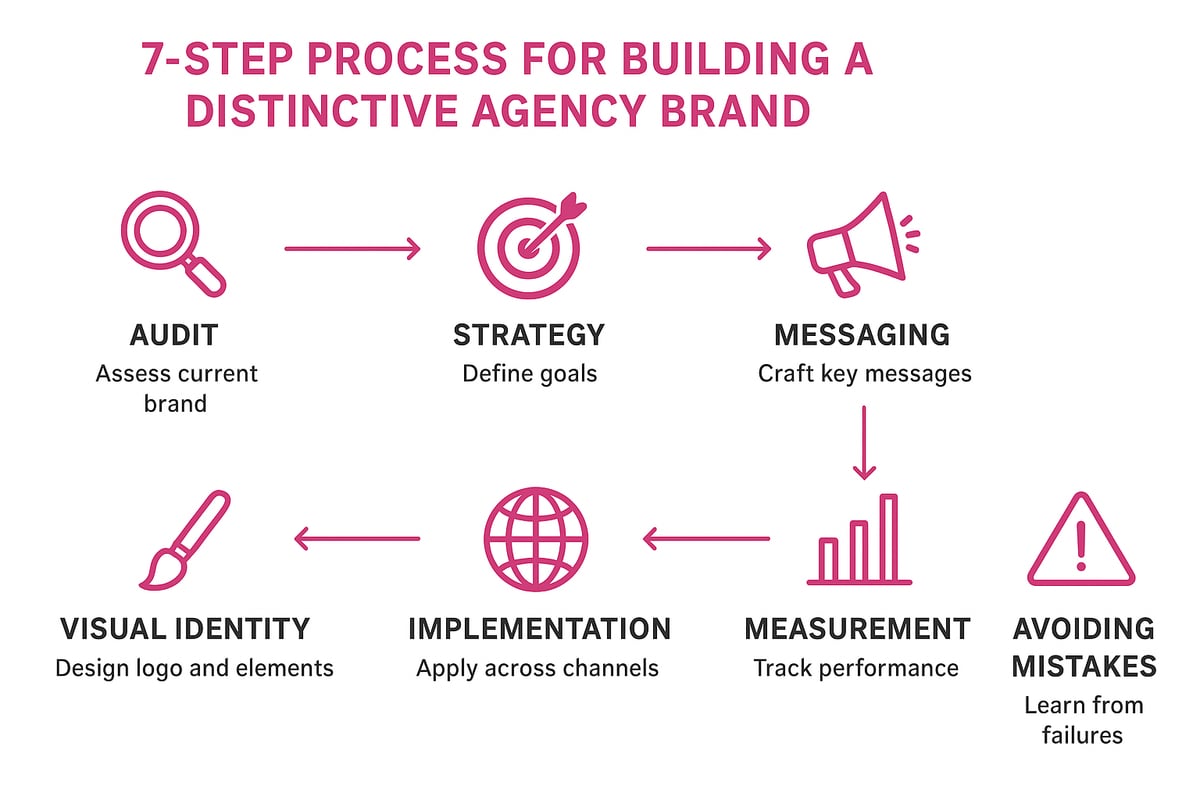
Building a standout presence in today's market requires more than just creative flair. A methodical approach to advertising agency branding ensures your agency is recognized, remembered, and trusted. Follow this structured guide to craft a brand that truly sets your agency apart.
Step 1: Conducting a Brand Audit and Market Analysis
Begin your advertising agency branding journey with a comprehensive brand audit. Assess how clients and employees perceive your agency. Use surveys, interviews, and focus groups to gather honest feedback. Analyze competitors to identify market gaps and trends.
Compile findings in a simple table:
| Audit Focus | Key Questions |
|---|---|
| Client Perception | How do clients describe us? |
| Employee Insights | What values do staff share? |
| Competitor Review | What makes others stand out? |
A thorough analysis uncovers strengths and uncovers areas for improvement, laying the foundation for a successful branding strategy.
Step 2: Defining Your Brand Strategy
Next, clarify your agency's mission, vision, and goals. Who is your ideal client? What problems do you solve better than competitors? Develop audience personas and a clear brand positioning statement to guide every decision.
For advertising agency branding success, consider niche specialization. Focusing on a specific industry or service makes messaging sharper and your agency more memorable. Ensure your strategy is aligned with long-term objectives and market opportunities.
Step 3: Developing Brand Messaging and Voice
Consistent messaging is crucial for effective advertising agency branding. Craft key messages that reflect your values, personality, and unique promise. Define a tone of voice that resonates with your audience, whether it's bold, approachable, or innovative.
Create a messaging guide for all platforms, ensuring every communication—website copy, social posts, proposals—reinforces your agency’s identity. Agencies with strong, consistent messaging see up to 23 percent higher revenue, demonstrating the measurable impact of clarity and alignment.
Step 4: Designing Visual Brand Identity
Visual elements are the most immediate expression of advertising agency branding. Develop a memorable logo, cohesive color palette, and distinctive typography. These elements should work together to tell your agency's story visually.
Consider reviewing real-world examples in Portfolio of agency branding projects for inspiration and to see what successful visual identities look like in practice. Consistent, well-crafted visuals build trust and leave a lasting impression with clients and prospects.
Step 5: Implementing Brand Across Channels
Bring your advertising agency branding to life by applying it everywhere clients interact with your agency. Update your website, social media profiles, presentations, and client proposals for visual and messaging consistency.
Train your team on brand guidelines to ensure everyone represents the agency accurately. Agencies with a unified digital and offline presence are more likely to build credibility and foster client loyalty. Regularly review materials to keep branding fresh and aligned.
Step 6: Measuring and Evolving Your Brand
Establish clear KPIs to track the effectiveness of your advertising agency branding efforts. Monitor metrics like brand awareness, sentiment, and client engagement using analytics tools.
Set up a regular review process:
- Analyze data quarterly
- Gather client and employee feedback
- Adjust strategies based on insights
Branding is never static. Iterative improvements, driven by performance data, ensure your agency remains relevant and competitive as trends shift.
Step 7: Avoiding Common Branding Mistakes
Even the most creative agencies can stumble without careful management of advertising agency branding. Common pitfalls include inconsistent messaging, weak differentiation, and ignoring valuable client feedback.
To avoid these issues:
- Keep brand messaging simple and clear
- Prioritize client input in decision-making
- Review branding touchpoints regularly
Learning from failed rebrands highlights the importance of agility and authenticity. Stay attuned to market changes and client expectations for long-term branding success.
Crafting a Powerful Visual and Digital Identity
A compelling visual and digital identity is the cornerstone of successful advertising agency branding. In today's crowded marketplace, agencies must capture attention quickly and leave a lasting impression at every touchpoint. This section explores how to craft a visual and digital presence that not only communicates expertise but also inspires trust and recognition.
Key Components of Visual Identity
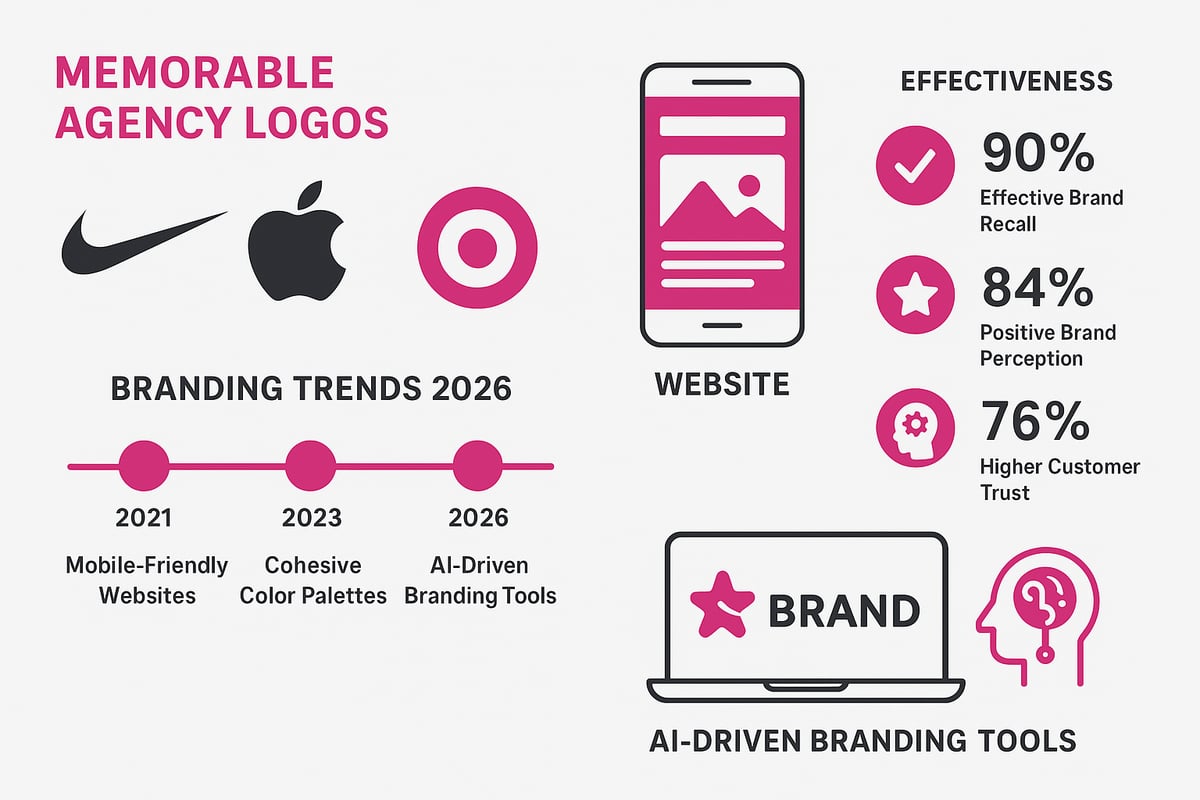
A strong visual identity goes far beyond a simple logo. It includes a harmonious color palette, expressive typography, and consistent imagery. For advertising agency branding, each visual element must reinforce your agency's unique personality and values.
Consider agencies with award-winning visual identities. They use bold design choices and modern typography to stand out. For inspiration on cutting-edge typefaces, see how agencies are breaking rules and bringing joy with top typography trends for 2026. Consistency across every asset, from business cards to digital ads, is essential for building brand recall.
Building a High-Impact Digital Presence
A high-impact digital presence is fundamental to advertising agency branding in 2026. Your website should be visually engaging, intuitive, and optimized for mobile. Clear navigation, fast load times, and accessible design are non-negotiable.
Agencies are moving towards interactive portfolios and dynamic content to showcase their work. Incorporate video, animations, and live chat features to create immersive experiences. Mobile-first design ensures every client gets the same quality interaction, regardless of device.
Social Media Branding for Agencies
Social media is a powerful amplifier for advertising agency branding. Choosing the right platforms is key. LinkedIn is ideal for establishing thought leadership, while Instagram showcases creative projects and agency culture.
Brand consistency across all social profiles builds familiarity and trust. Use the same logo, color schemes, and messaging guidelines everywhere. Agencies that leverage social media effectively post regularly, engage with followers, and adapt content for each platform.
Content Creation and Storytelling
Engaging content is at the heart of advertising agency branding. Develop a branded content strategy that includes blogs, case studies, and video testimonials. Storytelling humanizes your agency and demonstrates results.
Highlight success stories and behind-the-scenes glimpses to foster emotional connections. Video marketing is especially effective for conveying your agency's personality and expertise. Consistent, high-quality content positions your agency as an industry authority.
Leveraging Technology and AI in Branding
Technology and AI are reshaping advertising agency branding. AI-driven personalization delivers tailored experiences to clients, improving engagement and recall. Automation tools help maintain brand consistency by managing assets and enforcing guidelines.
Agencies are adopting AI for dynamic branding assets, such as personalized proposals and adaptive websites. In fact, 54 percent of agencies plan to invest in AI branding tools by 2026, highlighting the shift towards tech-enabled brand management. Staying ahead with technology ensures your agency remains relevant and innovative.
Enhancing Client Experience Through Branding
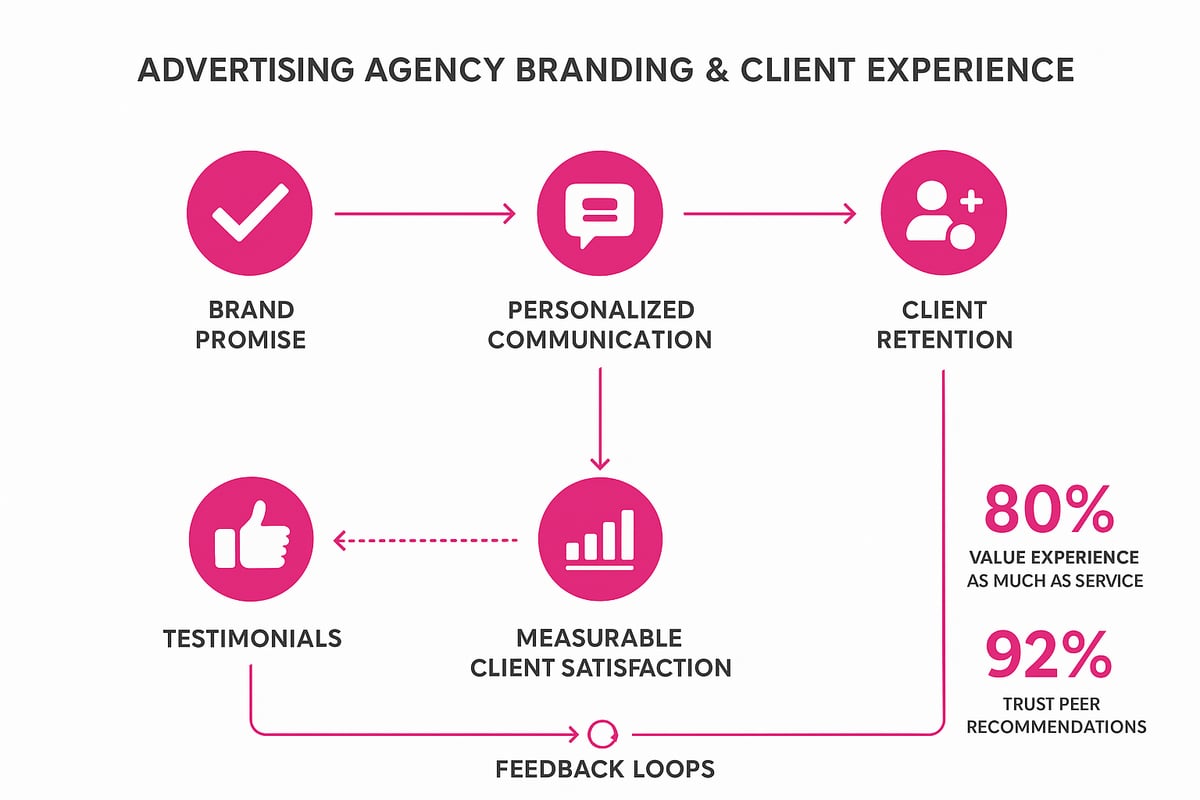
Delivering an exceptional client experience is a cornerstone of effective advertising agency branding. When agencies align their brand promise with every client interaction, they create trust and set themselves apart. Consistency is key—agencies that reliably deliver on what they promote are more likely to exceed client expectations. According to Salesforce, 80% of clients now view experience as equal in importance to the services themselves.
Aligning Brand Promise with Client Experience
A strong brand promise sets clear expectations from the outset. To fulfill this, agencies must embed their values into every stage of the client journey. This includes onboarding, project delivery, and post-campaign support. Agencies that excel in advertising agency branding ensure each touchpoint reflects their unique personality and commitment.
Consider agencies that consistently go above and beyond, surprising clients with added value or proactive communication. These organizations turn clients into advocates, boosting referrals and organic growth. Consistent delivery on the brand promise is not just a best practice—it is a competitive advantage in 2026.
Personalization and Relationship Building
Personalization is at the heart of modern advertising agency branding. Agencies that tailor communication and services to each client forge deeper, more lasting partnerships. Customizing onboarding materials, offering dedicated account managers, and regularly checking in all contribute to memorable experiences.
Building relationships means moving beyond transactional interactions. Agencies are now embracing purpose-driven branding and hyper-personalized experiences, as highlighted in Creative Branding Trends for Agencies and Startups in 2026. This approach ensures clients feel valued and understood, driving loyalty and positive word of mouth.
Using Branding to Attract and Retain Clients
An agency’s brand is a powerful tool for both attraction and retention. Through advertising agency branding, agencies can showcase their expertise, creativity, and results. A strong brand instills confidence in prospects, making it easier to win new business.
Trust and credibility are established when agencies consistently deliver quality work and communicate their successes. Agencies with well-defined brands and clear value propositions often enjoy higher client retention rates. In a market where clients have more choices than ever, branding becomes the glue that keeps relationships strong.
Gathering and Showcasing Client Testimonials
Client testimonials are vital in advertising agency branding. Reviews, case studies, and success stories provide social proof and reinforce the agency’s reputation. Featuring testimonials prominently on your website and in proposals demonstrates transparency and builds trust.
A recent study found that 92% of B2B buyers trust peer recommendations. Agencies that actively seek and showcase feedback stand out in the eyes of potential clients. By integrating testimonials into branding materials, agencies can turn satisfied clients into their most persuasive advocates.
Future-Proofing Your Agency Brand for 2026 and Beyond
The landscape of advertising agency branding is evolving rapidly, requiring agencies to stay nimble and forward-thinking. To secure long-term success, agencies must anticipate changes, adapt their branding strategies, and invest in continuous growth. Let us explore the critical pillars that will help your agency remain resilient, relevant, and distinctive in 2026 and beyond.
Adapting to Industry Trends and Innovations
Staying ahead of the curve is vital for advertising agency branding. Agencies must monitor shifts in digital platforms, creative technologies, and consumer behaviors. Embracing innovations such as AI-driven creative processes and immersive experiences like AR or VR sets top agencies apart.
Agencies that anticipate these trends are better positioned to meet evolving client needs. For deeper insights into upcoming shifts, review the analysis in 7 Trends That Will Impact Media and Marcoms in 2026. By integrating emerging platforms and tools, agencies can future-proof their brand identities and maintain a competitive advantage.
Embracing Diversity, Equity, and Inclusion in Branding
A commitment to DEI is now a cornerstone of effective advertising agency branding. Integrating inclusive values into your brand's core messaging helps foster trust and authenticity with clients and audiences alike.
Agencies recognized for strong DEI practices often attract a broader talent pool and resonate with diverse markets. Highlighting real-world impact, sharing stories from diverse teams, and reflecting inclusive values in all communications are key steps. This approach not only strengthens your brand's reputation but also drives innovation and relevance in a global market.
Sustainability and Social Responsibility in Agency Branding
Sustainability is increasingly influencing advertising agency branding decisions. Clients and partners often seek agencies with clear environmental and social commitments. According to Deloitte, 66 percent of clients prefer agencies with strong sustainability values.
Agencies can communicate their purpose through transparent reporting, eco-friendly operations, and cause-driven campaigns. Showcasing achievements and partnerships in sustainability initiatives demonstrates genuine commitment and can be a powerful differentiator in a crowded market.
| Sustainability Actions | Brand Impact |
|---|---|
| Eco-friendly offices | Attracts values-driven clients |
| Social campaigns | Builds positive brand perception |
| Transparent reporting | Increases client trust |
Building Brand Resilience in Uncertain Times
Resilience is essential for advertising agency branding, especially during periods of economic or social uncertainty. Agencies must develop strategies to maintain consistent brand messaging and service quality, even when faced with disruptions.
Examples from recent downturns show that agencies who invest in adaptability, clear communication, and staff engagement are more likely to emerge stronger. Regular scenario planning, open feedback channels, and agile processes help ensure your brand remains robust and trustworthy under any circumstance.
Continuous Learning and Brand Evolution
The most successful advertising agency branding strategies prioritize ongoing learning and adaptability. Agencies that foster a culture of creativity, professional development, and innovation consistently outperform competitors by up to 30 percent, according to McKinsey.
Leveraging industry data, such as insights from Top Marketing Agencies Statistics 2025, helps agencies benchmark progress and identify new opportunities. Encouraging teams to experiment, embrace new skills, and regularly refresh brand assets ensures your agency remains at the forefront of the industry.
If you’re ready to put these expert branding strategies into action and make your agency truly stand out in 2026, let’s take the next step together. At Kreative Angle, we know how vital it is to combine a compelling brand identity with measurable growth—just like we covered in this guide. Whether you want to redefine your agency’s mission, revamp your digital presence, or craft a seamless client experience, we’re here to help you grow smarter and stay ahead of the competition. Reach out today and let’s start building a brand that’s impossible to ignore.
Get Started